Kai Slater does it himself
Tyga recently released $tarface and it received scathing reviews across the internet. Pitchfork gave the project a rare 0/10, forever immortalizing its place on the short-list of albums that offer little to no value to human kind. The album is littered with AI generated 80s synth slop, and it signals the unfortunate dystopian reality we are rapidly heading towards. In an act of defiance, listeners are becoming hyperaware of the characteristics of AI music, as we slowly develop an intuition to recognize its vapid and unfulfilling nature.
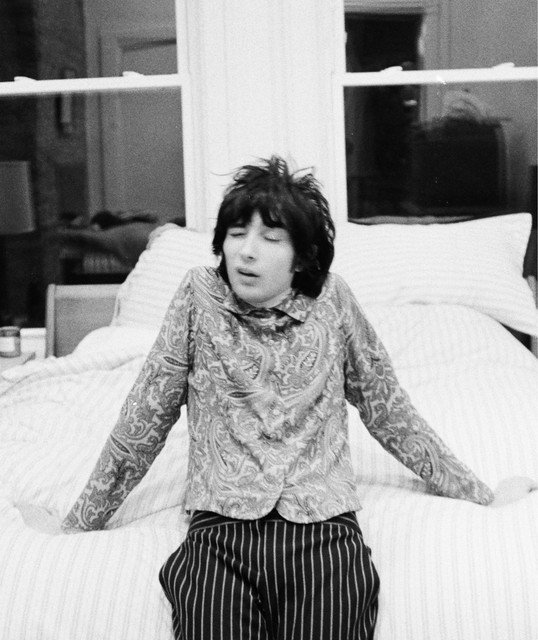
On the frontlines of the war on slop, Kai Slater leads the charge towards reviving what it means to tap into unadorned creativity. At just 21 years old, Chicagoan Kai Slater has frankly never stopped. He leads four influential musical projects with distinct sounds (Sharp Pins, Lifeguard, Dwaal Troupe and Silver Dolls), while also running his handmade, collage-based zine Hallogallo, which has emboldened and defined Chicago’s growing indie scene.
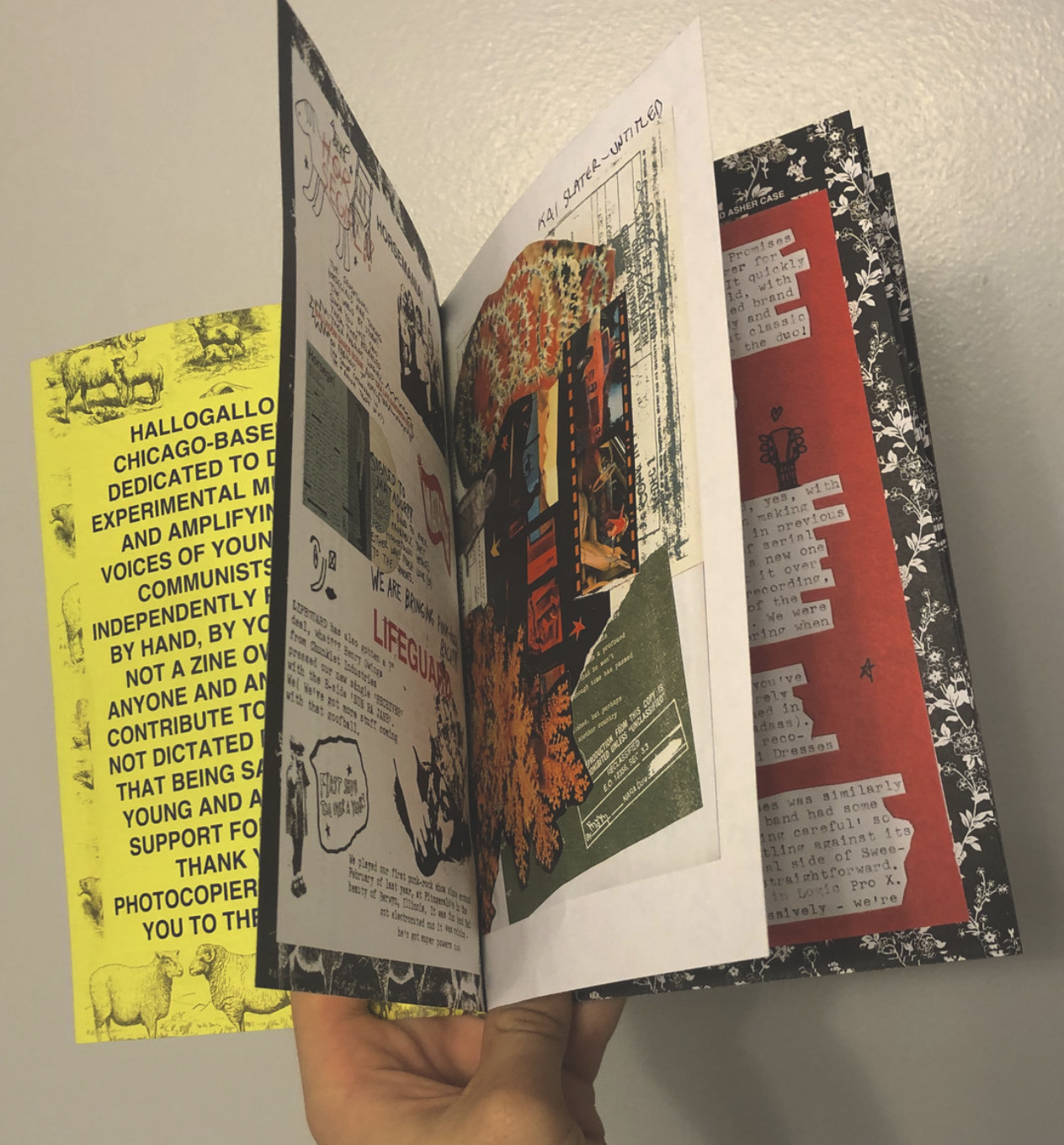
Shortly after Slater had begun taking music seriously, COVID hit and limited his ability to play live shows and connect with other musicians. In an effort to stay connected, Hallogallo became a medium through which other musicians and artists could unabashedly express themselves. Each zine contains spotlights for new artists, with mosaic splash pages featuring layers of handmade artwork. The zine’s mascot is a sheep who represents “the growing network of radical youth sheeple people rock-n-roll punkrock ers.” Hallogallo is rooted in a collective uplifting of DIY artistic expression as the “Hallogallo scene” has fostered a rich community of successful bands such as Friko and Horsegirl. The zine’s slogan of “Youth Revolution Now” feels emblematic of a movement that starkly contrasts the influx of insipid art inundating our feeds and algorithms.
Image from Hallogallo Issue #2 on Bandcamp
In 2025, Sharp Pins officially released two jangle-pop, full-length EPs, Radio DDR and Balloon Balloon Balloon, each to critical acclaim. Simultaneously, Slater led post-rock outfit Lifeguard through an additional release, Ripped and Torn. Slater has a simple approach as he mostly ideates and records in his bedroom on a four track tape cassette where the influence of 60s rock and pop movements seep through every song. For Slater, the limitations of his process are not obstacles to creativity, but the very conditions that allow it to flourish. By stripping down the process, Slater relies on his talent and love for 60s music to be the sole mainspring of his musical output.
For most people today, there is an incessant need to purchase all the gadgets to help us feel like we’re maximizing our ability to perform. However, the reliance upon the expected benefits from the additional tool builds a protective wall between ourselves and the very process through which creativity actually develops. For Tyga, he had essentially been irrelevant ever since his billboard hits of the early 2010s, and in an effort to find his place in 2026, he relied upon a tool to define himself, scratching and clawing to maintain relevance in the most frictionless way possible. In order to thwart the normalization of this, we must highlight and reward the art that is grounded in the innate human desire to create. Instead of conjuring ideas from a generative software, Kai Slater has boiled artistic expression to its unadulterated core, leaving his fingerprints on every decision along the way.
As Sharp Pins recently began their brief EU tour before the upcoming release of Mod Mayday 23 in early September, Kai Slater announced that he will be debuting another zine titled Oedipus Chess, which will focus on original short stories and art work for imaginative characters like “Ancient Mandrake, Pigsty Gardener, Refrigerated Tonsil-man.” With zero signs of slowing down, Slater continues to push against the rising tide of slop with each increasingly imaginative release.
